
News
Featured updates:
A Portfolio View of Deforestation Risk under the EUDR
A bank’s single client’s deforestation exposure can look manageable in isolation. A cocoa trader or furniture importer may each represent an acceptable level of risk when assessed individually. Risks related to the EU Deforestation Regulation (EUDR) can affect multiple clients…
การสัมมนาออนไลน์: เสริมสร้างการเงินเพื่อการเปลี่ยนผ่านที่ส่งผลเชิงบวกต่อธรรมชาติและครอบคลุมทุกภาคส่วนในสังคมประเทศไทย / Webinar: Strengthening Nature-Positive and Socially Inclusive Transition Finance in Thailand
ขอเชิญเข้าร่วมสัมมนาออนไลน์ว่าด้วย Thailand Taxonomy ระยะที่ 2 พันธบัตรเพื่อการเปลี่ยนผ่าน และการครอบคลุมทางสังคมของประเทศไทยมีความเชื่อมโยงกันอย่างไรในการระดมทุนเพื่อการเปลี่ยนผ่านที่น่าเชื่อถือ Join the webinar to learn how Thailand’s taxonomy, transition bonds and social inclusion connect to finance a credible transition. วันที่ / Date สถานที่ / Location ระยะเวลา / Duration ภาษา / Language วันอังคารที่ 22…
Latest news:

Sustainable finance and tropical forestry: a series of financial institution case studies
How do different financial institutions approach non-financial information and ESG issues when considering tropical forestry companies and supply chains exposed to timber, pulp and paper products sourced from tropical regions? To illustrate the variety of approaches which are available to…
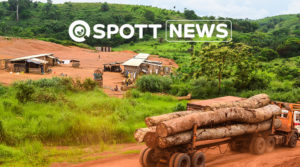
Congo Basin countries move toward a timber export ban
Following the virtual intergovernmental conference of ministers from Congo Basin countries, a communique was released, agreeing a log export ban covering seven of the member nations of the Economic and Monetary Community of Central Africa (CEMAC). This group includes Cameroon,…
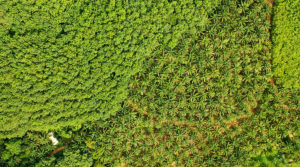
Keeping track of companies’ commitments to the environment
Deforestation due to commodity production, most famously, palm oil, has gained increased public awareness over recent years. The commodity’s production has been a dominant force in wildlife declines seen in many countries, particularly in Southeast Asia. However, with the product’s…

Company selection updates for 2021 SPOTT Palm Oil assessments
SPOTT assesses the most impactful producers, processors and traders in the palm oil sector on their public disclosure regarding the organisation, policies and practices related to environmental, social and governance (ESG) issues. Assessed companies are reviewed on an annual basis…
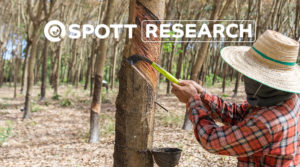
ZSL report reveals COVID-19 impact on natural rubber producers
Assessment summary Smallholder producers of natural rubber are seeing greater impacts from the COVID-19 pandemic than larger producers, according to latest analysis by ZSL (Zoological Society of London) of the world’s most significant natural rubber producers and processors. Despite…
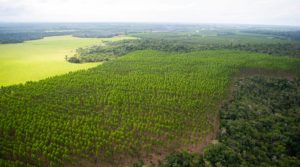
Tropical Timber: A Guide to Responsible Sourcing and Financing
Timber has been a vital resource for thousands of years and serves many functions. When produced at industrial scale, timber is harvested either through exploitation of areas of naturally occurring forest (natural forest management) or through forest areas expressly planted…
Thematic Guide to Supplier Engagement
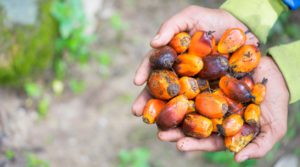
Supplier engagement is crucial to ensuring that sustainability policy commitments are being met throughout the supply chain. While a company’s own plantations might comply with its own policy requirements, third-party supplying plantations may not. Download guide Having a traceable supply…
Série de Webinars ESG: Finance durable et foresterie tropicale
Click here for English. Série de Webinars ESG: Finance durable et foresterie tropicale La finance durable est cruciale pour répondre aux problématiques du changement climatique, de la déforestation, d’atteintes aux droits de l’homme ou bien répondre aux enjeux des objectifs de…
Thematic Guide to Traceability
Understanding where a company, including all its subsidiaries, sources its palm oil from is an essential component in the implementation of sustainable sourcing commitments – without knowing its origin, it is impossible to verify if it is being produced sustainably,…
ZSL report finds many palm-oil companies failing to meet 2020 zero-deforestation targets
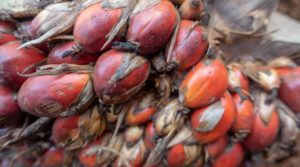
Assessment summary International conservation charity ZSL (Zoological Society of London) is urging the palm oil industry to ramp up its reporting and take greater responsibility for its part in tackling the world’s climate and biodiversity crises, as they today…