
News
Featured updates:
A Portfolio View of Deforestation Risk under the EUDR
A bank’s single client’s deforestation exposure can look manageable in isolation. A cocoa trader or furniture importer may each represent an acceptable level of risk when assessed individually. Risks related to the EU Deforestation Regulation (EUDR) can affect multiple clients…
การสัมมนาออนไลน์: เสริมสร้างการเงินเพื่อการเปลี่ยนผ่านที่ส่งผลเชิงบวกต่อธรรมชาติและครอบคลุมทุกภาคส่วนในสังคมประเทศไทย / Webinar: Strengthening Nature-Positive and Socially Inclusive Transition Finance in Thailand
ขอเชิญเข้าร่วมสัมมนาออนไลน์ว่าด้วย Thailand Taxonomy ระยะที่ 2 พันธบัตรเพื่อการเปลี่ยนผ่าน และการครอบคลุมทางสังคมของประเทศไทยมีความเชื่อมโยงกันอย่างไรในการระดมทุนเพื่อการเปลี่ยนผ่านที่น่าเชื่อถือ Join the webinar to learn how Thailand’s taxonomy, transition bonds and social inclusion connect to finance a credible transition. วันที่ / Date สถานที่ / Location ระยะเวลา / Duration ภาษา / Language วันอังคารที่ 22…
Latest news:

50 new timber and pulp companies selected for assessment in 2019
Illegal logging and trade in illegal timber deprive local communities of income and are major drivers of biodiversity loss. Strengthening forest governance and ensuring traded timber meets legal requirements are key to developing a sustainable global timber industry. One of…
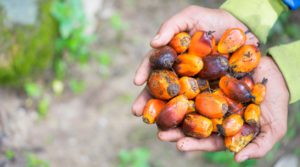
Smallholders: key to building sustainable palm oil supply chains
Approximately 40% of the world’s palm oil is produced by smallholder farmers, making them essential parts of global palm oil supply chains. To help make sustainable palm oil the norm, it is crucial that smallholders are incorporated…

Transparency tools in commodity supply chains: how do they compare?
From consumers concerned about sustainable ingredients and ethical banking, to financiers screening investment portfolios against a range of environmental, social and governance (ESG) issues, there is growing interest in responsible commodity production. With transparency a crucial component…
The French National Strategy to Fight Imported Deforestation: a few takeaways from the final document
Overview The French National Strategy to Fight Imported Deforestation (stratégie nationale de lutte contre la déforestation importée: SNDI) seeks to combat imported deforestation by 2030, which it defines as ‘the importation of raw or processed…

Tracking progress towards stronger forest governance
The New York Declaration on Forests (NYDF) is a partnership of governments, multinational companies, civil society and indigenous peoples working to halve deforestation by 2020 and to end it by 2030. The NYDF outlines ten ambitious global targets focused on…

RSPO Financial Institutions Q&A
On Thursday 15 November 2018, moments before the RSPO General Assembly which saw the adoption of new and improved RSPO Principles and Criteria, attendees gathered for a panel session and Q&A with members of the RSPO’s Financial Institutions Task Force…
Building biodiversity into business best practice: a roadmap for action
On the eve of the Convention on Biological Diversity’s (CBD) 14th Conference of Parties (COP14) – the most important environmental policy event of the year – the state of the world’s biodiversity is under intense scrutiny, with the UN warning we…
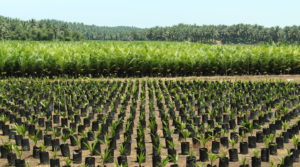
ZSL report finds palm oil companies lacking clear sustainability targets
Zero-deforestation commitments within the palm oil industry risk being undermined by a lack of monitoring within production landscapes – meaning the deforestation of tropical forests home to Critically Endangered wildlife such as Sumatran tigers (Panthera tigris sumatrae) and orangutans (Pongo abelii)…
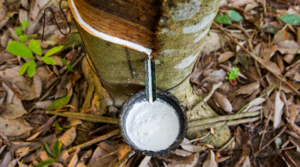
Rubber – does ‘natural’ mean sustainable?
Rubber products are present in our daily lives, often without us even noticing. From mattresses to toothbrushes, the shoes we wear on our feet, to the tyres on cars, buses and bikes, lining conveyer belts, asphalt and yoga mats, in balloons, condoms,…
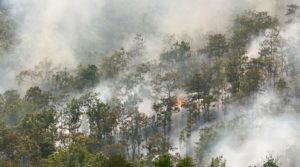
Not seeing the emissions for the trees – why responsible finance must focus on forests
Against a backdrop of increasing fossil fuel divestment and the rapid growth of the renewable energy and green transport sectors, the topic of climate change currently takes centre stage. The financial sector’s growing interest in climate change and emission reduction…